
Intruder Alarm System Fitted: What to Expect and How to Choose the Right Installer
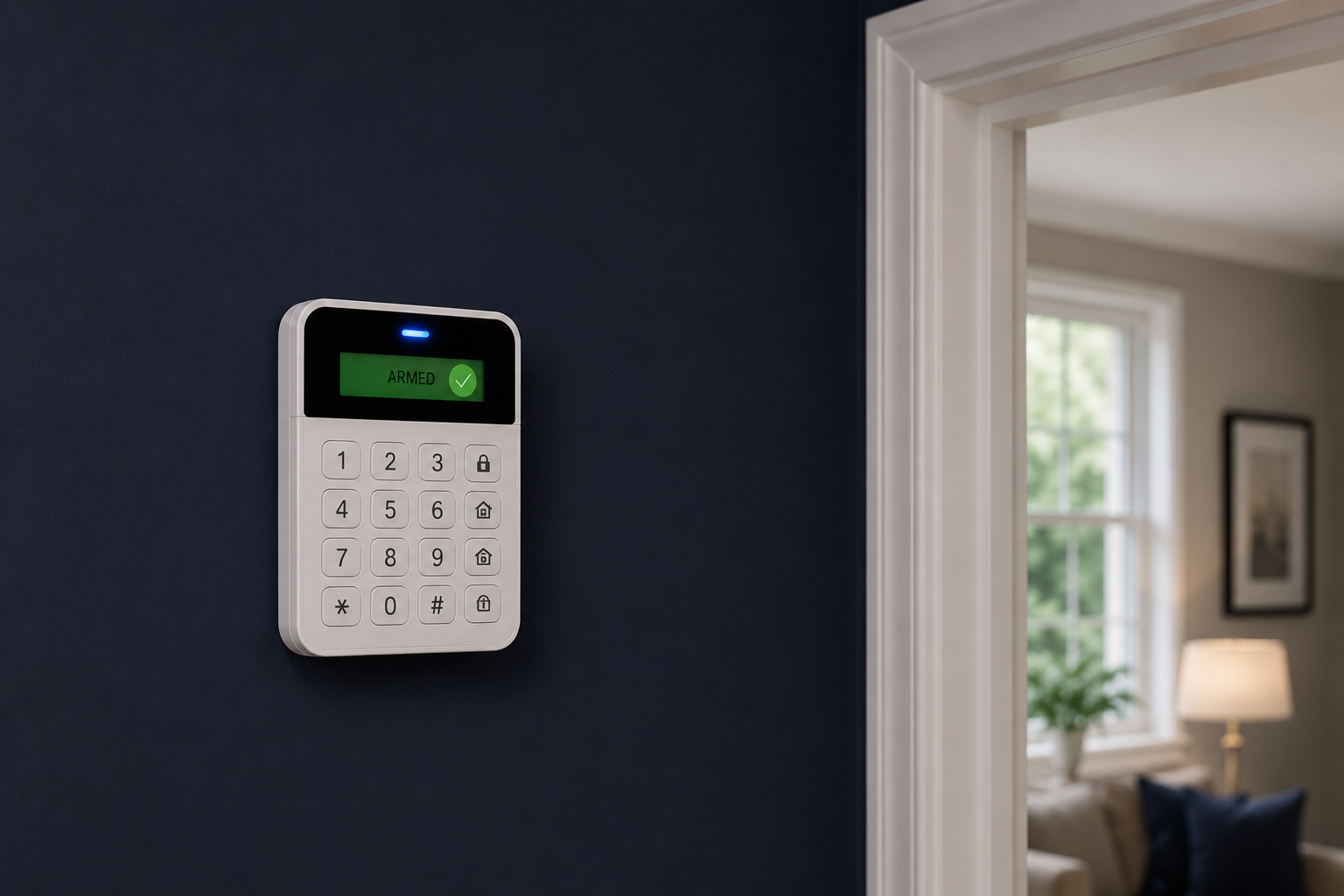
Getting an intruder alarm system fitted is one of the most effective things you can do to protect your home, and the process is a lot more straightforward than most people expect.
TL;DR A professionally fitted intruder alarm typically takes one to four hours. You can choose between bells-only, monitored, and smart systems. Costs range from around £300 to £1,500 depending on the system and property size. Always use an NSI or SSAIB approved installer to ensure quality and the option of a police response.
Contents
- What is an intruder alarm system?
- Types of intruder alarm system
- How getting an intruder alarm system fitted works
- How much does it cost to get an intruder alarm fitted?
- How to choose an alarm installer
- What to do after installation
- FAQ
What Is an Intruder Alarm System?
An intruder alarm system is a set of sensors and detectors connected to a control panel that triggers an alert when someone enters your home without authorisation. Most systems include door and window contacts, passive infrared (PIR) motion detectors, a keypad for arming and disarming, and a sounder box mounted outside the property. Modern systems range from basic bells-only units that sound a siren to fully monitored setups that alert a 24-hour response centre. Some connect to your smartphone so you can check the status of your home from anywhere.
Types of Intruder Alarm System
There are three main types to consider before you book an installer.
Bells-only alarm The siren sounds locally but no signal is sent anywhere. It relies on neighbours or passers-by to notice and act. These are the most affordable option and still act as a strong deterrent.
Monitored alarm The system is connected to an alarm receiving centre (ARC). When triggered, the ARC contacts you and, if needed, dispatches a keyholding response or alerts the police. For police response, you need a Police Unique Reference Number (URN), which only NSI or SSAIB approved installers can provide.
Smart alarm App-connected systems send alerts to your phone when triggered. Some integrate with CCTV cameras and smart locks. They can be self-monitored or professionally monitored depending on the product.
| Type | Siren | Remote alert | Police response possible? | Typical cost |
|---|---|---|---|---|
| Bells-only | Yes | No | No | £300 to £600 |
| Monitored | Yes | Via ARC | Yes | £600 to £1,200 |
| Smart | Yes | Via app | Depends on plan | £400 to £1,000 |
How Getting an Intruder Alarm System Fitted Works
The process from first contact to a working system usually takes less than a week.
- Survey. A qualified installer visits to assess your property. They check door and window positions, likely entry points, and any specific areas of concern such as a garage or outbuilding.
- Quotation. You receive a written quote detailing the equipment, grade of system (typically Grade 1 or Grade 2 under BS EN 50131), and any ongoing monitoring costs.
- Installation day. The engineer fits the control panel, keypad, sensors, and external sounder. For most three-bedroom homes, this takes two to four hours. Cables are neatly run through trunking or hidden within the wall where possible.
- Handover. The installer walks you through arming and disarming the system, sets your user codes, and explains what to do if the alarm is triggered accidentally.
- Certification. A certificated installer provides a commissioning certificate confirming the system meets the relevant standard.
Most homeowners describe the fitting day as less disruptive than they expected. There is some drilling involved for cable routes and sensor fixings, but a good installer tidies as they go.
How Much Does It Cost to Get an Intruder Alarm Fitted?
Costs vary depending on the system type, the number of sensors, and whether you opt for ongoing monitoring.
For a standard three-bedroom home, a bells-only system from an approved installer typically costs between £300 and £600 installed. A monitored Grade 2 system is usually between £600 and £1,200 for the installation, plus a monitoring contract of around £15 to £30 per month.
Smart systems vary widely. DIY kits start under £200 but do not come with the certification needed for a police URN. Professionally installed smart systems sit in the £400 to £1,000 range.
According to the National Security Inspectorate, homes without a working alarm are around three times more likely to be burgled than those with one fitted. On that basis, even the mid-range cost of a monitored system pays for itself in peace of mind fairly quickly.
How to Choose an Alarm Installer
This is where most homeowners go wrong. They pick the cheapest quote without checking qualifications, and end up with a system that cannot be connected to a police response and may not meet insurance requirements.
Here is what to look for:
NSI or SSAIB approval. These are the two main inspectorate bodies for alarm installers in the UK. An NSI Gold or SSAIB certificated company is independently audited and can apply for a police URN on your behalf. You can check both registers on their websites.
Check their insurance requirements. Some home insurance policies require a professionally installed and maintained alarm for your contents cover to be valid. Ask your insurer what grade of system they require before you book anyone.
Secured by Design. This is a UK police initiative that endorses products and installers meeting a higher security standard. Not essential, but worth looking for on higher-value properties.
Written quotation. Any reputable installer will provide a written quote before starting work. Be cautious of anyone who wants to agree a price verbally on the day.
Maintenance options. Alarm systems need an annual service to keep them certified and functioning correctly. Ask whether the installer offers a maintenance contract and what it covers.
What to Do After Installation
A few steps after your system is fitted will make sure it works properly when it counts.
First, register your system with your local police service if you have a monitored alarm and have been issued a URN. Second, give a keyholder contact to your monitoring centre so they can reach someone quickly if the alarm triggers while you are away. Third, test the system weekly by arming it and walking through the detection zones, then check the sounder fires as expected.
If you have a smart system, make sure the app is set up on at least two devices and that notifications are enabled.
FAQ
How long does it take to get an intruder alarm system fitted?
Most domestic installations take between two and four hours for a standard three-bedroom property. Larger homes or properties requiring external detectors or a remote sounder may take a full day. The installer will give you a time estimate after the survey.
Do I need planning permission to have an alarm fitted?
No. Fitting a domestic intruder alarm does not require planning permission. There are some restrictions on external sounder boxes in certain conservation areas regarding appearance, but your installer will flag this if it applies to you.
Can I get a police response to my home alarm?
Yes, but only if you use an NSI or SSAIB approved installer who can apply for a Police Unique Reference Number (URN) on your behalf. Without a URN, the police will not respond to activation of your alarm.
Will my home insurance go down if I fit an alarm?
It depends on your insurer. Many providers offer a discount for a professionally installed and maintained alarm system, particularly one that meets Grade 2 under BS EN 50131. Contact your insurer before installation to confirm whether a discount applies and what standard they require.
What is the difference between Grade 1 and Grade 2 alarms?
These grades come from the European standard BS EN 50131. Grade 1 covers low-risk residential properties and uses basic sensors. Grade 2 offers a higher level of protection with tamper detection and is required for most insurance and police-response purposes. Your installer will recommend the right grade for your property.
How often does an intruder alarm need servicing?
Once a year is standard for a certificated system. Some monitoring contracts include an annual service visit. Regular servicing keeps the system certified and ensures sensors and batteries are functioning correctly.
What happens if my alarm goes off accidentally?
If you have a monitored system, the ARC will attempt to contact you first before taking any further action. False alarms are common during the first few weeks after installation. Your installer will show you how to disarm quickly and how to avoid triggering sensors accidentally, for example when letting pets into detection zones.
Getting Started
If you are ready to get an intruder alarm system fitted, start by checking the NSI register or the SSAIB website to find an approved installer in your area. Get at least two written quotes, confirm what grade of system is right for your property, and check your insurance requirements before signing anything.
A well-fitted alarm is a straightforward investment in your home’s security. The installation itself is quick, the disruption is minimal, and the peace of mind lasts a long time.